EV Charger Installation in South Florida: Complete Guide for Homeowners
Electric vehicles are becoming increasingly common across Florida, and more homeowners are discovering that charging an EV at home is one of the most convenient ways to manage daily driving. Instead of depending entirely on public charging stations, a professionally installed home EV charger allows you to recharge your vehicle while you sleep, work from home, or go about your normal routine.
However, EV charger installation in South Florida involves more than simply purchasing a charging unit and connecting it to an outlet. Your home’s electrical capacity, electrical panel, charger type, installation location, wiring requirements, permits, and future energy needs can all affect the project.
For homeowners in Broward County, Miami-Dade County, Palm Beach County, and surrounding South Florida communities, understanding these factors before installation can help prevent unnecessary expenses and electrical problems. This complete guide explains how home EV charger installation works, what affects the cost, when an electrical panel upgrade may be necessary, and how to choose a qualified EV charger installer in South Florida.
Why Install an EV Charger at Home in South Florida?
Convenience is one of the primary reasons homeowners choose residential EV charger installation. Having a dedicated charging solution at home means your vehicle can often begin each day with the battery level you need without requiring regular trips to a public charging station.
Home charging can be particularly useful for South Florida residents who commute regularly throughout Miami-Dade, Broward, or Palm Beach counties. Instead of incorporating public charging stops into your schedule, you can make charging part of your normal overnight routine.
A dedicated home charging station can also provide significantly different charging performance from using a standard household outlet. The appropriate charging solution depends on the vehicle, daily mileage, available electrical capacity, and charging requirements.
Homeowners should therefore avoid selecting a charger based only on maximum advertised charging speed. The goal should be to install a system that works safely with the home’s electrical infrastructure while providing enough charging capacity for the driver’s actual needs.
Professional installation is especially important because EV charging creates a substantial continuous electrical load. Wiring, circuit protection, electrical connections, equipment specifications, and installation methods need to comply with applicable requirements.
A licensed electrician can evaluate the property before installation and determine whether the existing electrical system can safely support the additional demand.
Level 1 vs Level 2 EV Charger Installation
One of the first decisions homeowners encounter is choosing between Level 1 and Level 2 charging.
Level 1 charging generally uses a standard household electrical connection and provides relatively slow charging. It can be sufficient for certain drivers, particularly those who travel short distances each day and have long periods available for charging.
However, homeowners who drive more frequently or own vehicles with larger batteries may find Level 1 charging too slow for their needs.
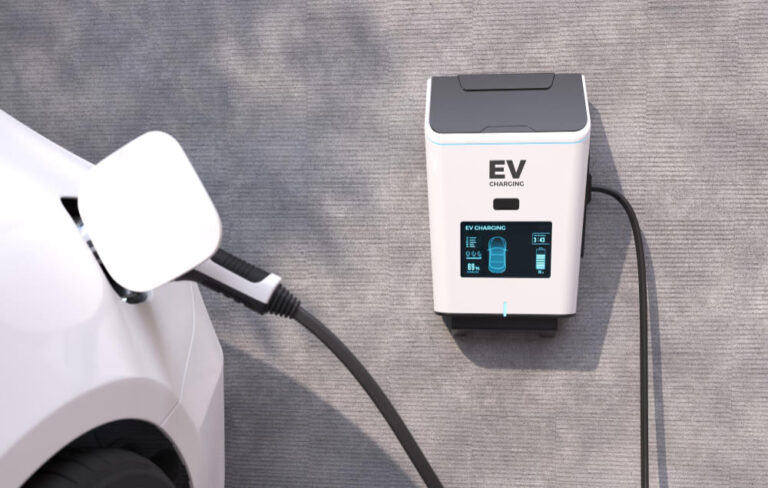
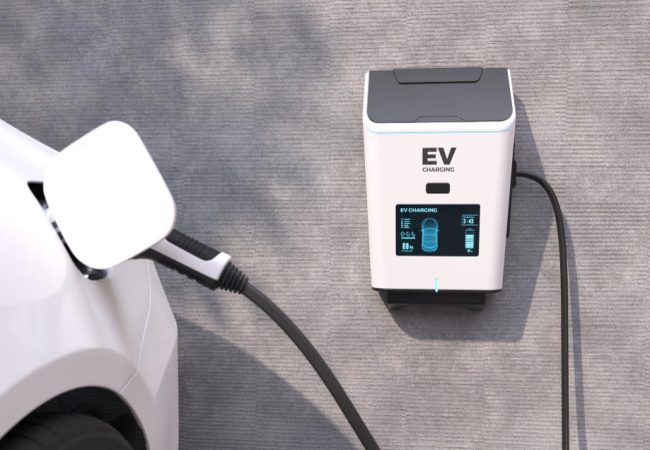
Level 2 EV charging is a popular residential solution because it can provide substantially faster charging. A Level 2 charger generally requires a dedicated higher-voltage circuit and professional electrical installation.
The actual charging speed depends on several factors, including the vehicle’s onboard charging capability, the EV charger, circuit capacity, electrical infrastructure, and manufacturer specifications. Installing a higher-capacity charger does not automatically mean every electric vehicle will charge at the charger’s maximum possible rate.
This is why proper system design matters. A qualified EV charger installer should consider both the vehicle and the property rather than recommending the largest charger available.
Level 2 charging can be particularly useful for households with long daily commutes, larger EV batteries, multiple electric vehicles, or drivers who want greater flexibility in their charging schedules.
How Much Does EV Charger Installation Cost in South Florida?
The cost of EV charger installation in South Florida varies considerably depending on the property and installation requirements.
A relatively straightforward project where the electrical panel has sufficient capacity and the charger is installed close to the panel will generally involve fewer materials and less labor than a complicated installation requiring long wiring runs or electrical upgrades.
Distance between the electrical panel and charging location is an important cost factor. Installing a charger next to a garage electrical panel is different from running a new dedicated circuit across a large property.
The required circuit capacity and wiring can also influence the price. Different chargers have different electrical requirements, and the installation must be designed according to the selected equipment and applicable electrical standards.
Another major factor is the home’s existing electrical service. Some properties already have sufficient capacity to support EV charging, while others may require an electrical panel upgrade, service modification, load management solution, or other electrical work.
Older homes can require additional evaluation because their electrical infrastructure may not have been designed for modern loads such as electric vehicle charging, high-efficiency HVAC equipment, electric appliances, pool equipment, and solar energy systems operating together.
Permitting requirements can also affect the total project cost. Depending on the location and scope of work, electrical permits and inspections may be required.
Homeowners searching for EV charger installation cost in South Florida should therefore be cautious about relying on a single advertised price. A professional estimate should be based on the specific charger, electrical panel, installation location, wiring distance, available electrical capacity, and property conditions.
What Is Required to Install a Home EV Charger?
Before installing a home EV charger, the electrical system should be evaluated to determine whether it can safely support the new charging load.
The first step is typically identifying the charger’s electrical requirements. Different EV charging stations have different power specifications, and the vehicle itself may also have limitations on how much charging power it can accept.
The home’s existing electrical loads must then be considered. Air conditioning systems, electric water heaters, dryers, ranges, pool pumps, solar equipment, and other major electrical loads all contribute to the property’s overall demand.
A licensed electrician can evaluate the electrical panel and service capacity to determine whether additional charging equipment can be safely installed.
The installation location also matters. Many homeowners install EV chargers inside garages, but chargers can also be installed in appropriate outdoor locations. Outdoor installations require equipment and installation methods suitable for environmental exposure.
South Florida’s heat, humidity, heavy rain, and coastal conditions make equipment selection and proper installation particularly important.
Once the location and electrical requirements have been established, the installer can determine the appropriate circuit, wiring route, protection equipment, mounting method, and other project requirements.
Does Your Electrical Panel Need an Upgrade for an EV Charger?
Not every homeowner needs an electrical panel upgrade before installing an EV charger. However, panel capacity is one of the most important factors that should be evaluated during the planning process.
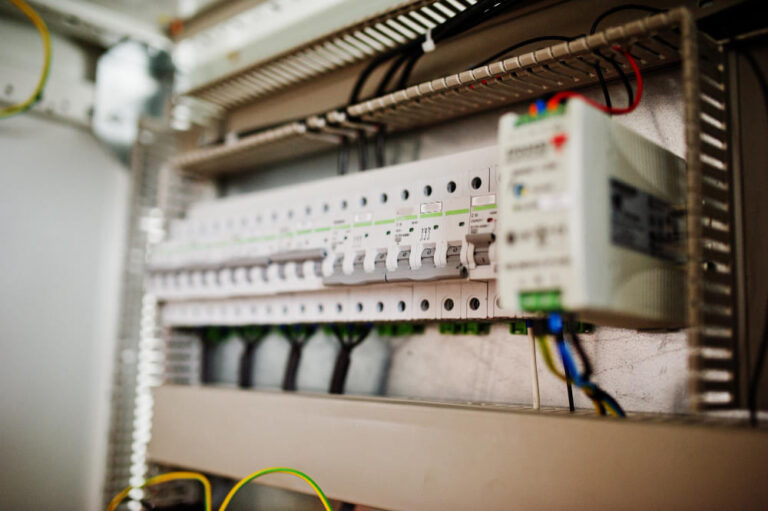
An electrical panel distributes electricity throughout the property. If the existing electrical system is already operating close to its available capacity, adding a significant new load such as a Level 2 EV charger may require additional electrical work.
This situation can be more common in older South Florida homes or properties that have accumulated major electrical upgrades over time.
For example, a home may have originally been designed with relatively modest electrical requirements but later added central air conditioning, a swimming pool, electric appliances, a remodeled kitchen, additional living space, or other equipment. Adding EV charging can create another substantial load that needs to be considered.
A professional electrician can perform the necessary evaluation to determine whether the existing system can accommodate the charger.
If an electrical panel upgrade is recommended, homeowners should understand why the upgrade is necessary and how it relates to current and future electricity demand.
Upgrading the panel can also create an opportunity to prepare the property for future improvements such as additional EV chargers, solar panel installation, battery storage, HVAC upgrades, or other electrical equipment.
Choosing the Right EV Charger for Your Home
The best home EV charger is not necessarily the most powerful or expensive model. The right charger should match the vehicle, household driving habits, electrical system, installation environment, and future plans.
Compatibility is the first consideration. Homeowners should verify that the charging equipment is appropriate for their vehicle and understand any connector or adapter requirements.
Charging capacity is another consideration. A driver who travels relatively few miles each day may not require the same charging capacity as someone who regularly drives long distances.
Smart features are also available on many modern EV chargers. Depending on the equipment, homeowners may be able to schedule charging, monitor electricity consumption, view charging history, control the charger through an application, or coordinate charging with specific energy-use preferences.
Indoor versus outdoor installation should also influence equipment selection. If the charger will be exposed to South Florida weather conditions, it should be appropriately rated for its installation environment.
Homeowners planning to purchase additional electric vehicles should discuss those plans with their electrician. Designing the electrical infrastructure with future charging requirements in mind can sometimes reduce the need for additional modifications later.
EV Charger Installation Process in South Florida
A professional EV charger installation typically begins with an assessment of the property.
The electrician reviews the existing electrical panel, available capacity, charger specifications, proposed charging location, and potential wiring route. This evaluation helps determine the appropriate installation approach and whether additional electrical upgrades are necessary.
The next stage involves planning the dedicated electrical circuit. Depending on the charging equipment and installation method, this can include circuit protection, wiring, conduit, disconnecting equipment, mounting hardware, and other electrical components.
If permits are required, they should be addressed as part of the project process. Local requirements can vary across South Florida municipalities, making familiarity with regional permitting procedures valuable.
After the necessary preparations and approvals, the dedicated circuit and charging equipment can be installed. The installer should verify electrical connections, equipment configuration, protection devices, and overall operation.
Once the project is completed, any required inspection can take place.
The complexity and duration of the project depend on factors such as panel capacity, charger location, wiring distance, wall construction, accessibility, permitting, and whether additional electrical work is necessary.
EV Charger Installation and Solar Panels
Electric vehicles and residential solar energy can complement each other as part of a broader home energy strategy.
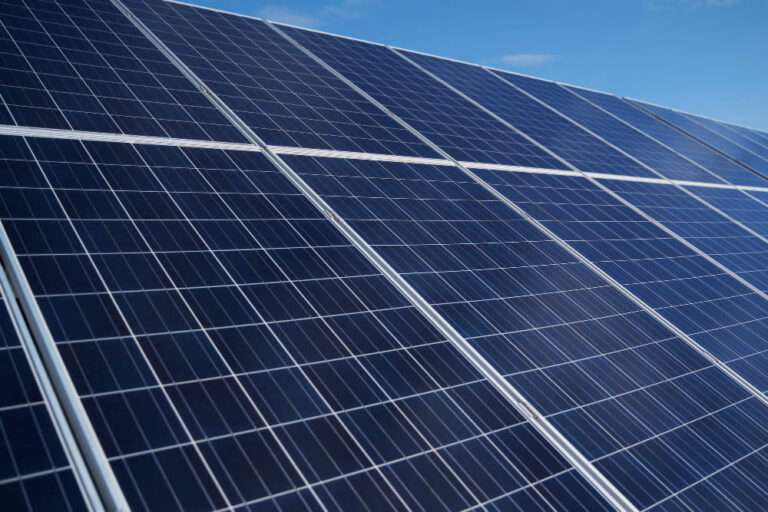
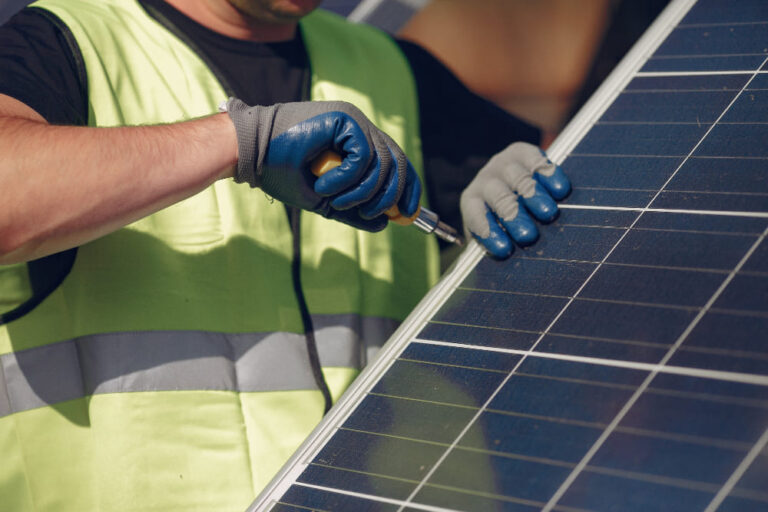
Purchasing an EV can increase household electricity consumption because energy previously purchased as gasoline is now partially replaced by electricity used to charge the vehicle. For homeowners considering solar panel installation in South Florida, this additional consumption should be considered when determining system size.
If a homeowner installs solar based only on historical electricity bills and purchases an electric vehicle shortly afterward, the property’s future electricity consumption may be higher than the original solar design anticipated.
Planning both systems together allows future EV charging demand to be considered when evaluating solar capacity.
Electrical infrastructure should also be evaluated as part of this process. Solar equipment, EV charging, HVAC systems, pool equipment, and household electrical loads all interact with the property’s overall electrical system.
Homeowners who already have solar panels should tell their EV charger installer about the existing system. Similarly, homeowners planning solar in the future should mention those plans before installing charging equipment.
An integrated approach can help homeowners create an electrical and energy system designed around both current and future needs.
EV Charger Installation for Tesla and Other Electric Vehicles
South Florida homeowners drive a growing variety of electric vehicles, and charging requirements can differ between manufacturers and models.
Whether you own a Tesla or another electric vehicle, the charging solution should be selected based on compatibility, vehicle specifications, daily mileage, and available electrical capacity.
Some homeowners choose charging equipment associated with their vehicle manufacturer, while others prefer compatible third-party charging stations with features that suit their household.
Households with more than one electric vehicle should pay particular attention to future charging needs. Installing two high-demand charging stations without evaluating total electrical capacity can create unnecessary complications.
A qualified electrician can help determine whether separate circuits, charging management, electrical upgrades, or another configuration makes the most sense for the property.
The objective should not simply be achieving the highest possible charging rate. The objective is reliable, convenient, and properly designed home charging that fits the household’s actual driving habits and electrical infrastructure.
How to Choose an EV Charger Installer in South Florida
EV charger installation should be treated as an electrical project, not simply an accessory installation.
Homeowners should look for a licensed and insured electrical company with experience evaluating residential electrical systems and installing EV charging equipment.
The installer should inspect or properly evaluate the electrical panel before recommending a charging configuration. Be cautious about quotes that assume every home has identical electrical capacity without reviewing the existing infrastructure.
Homeowners should also ask whether permitting is necessary and who will be responsible for handling the process.
Experience with related energy systems can provide additional value. A company that understands electrical panel upgrades, solar energy, HVAC loads, and EV charging can evaluate the property as a complete electrical system rather than focusing only on the charging station.
Transparency is equally important. If the existing electrical system can support the charger without a major upgrade, the homeowner should know that. If modifications are necessary, the installer should clearly explain why.
Questions to Ask Before Hiring an EV Charger Installation Company
Before choosing an EV charger installer in South Florida, ask who will perform the electrical work and whether the company is properly licensed and insured.
Ask whether your electrical panel has enough capacity for the proposed charger and whether a load evaluation is necessary.
You should also ask what type of circuit the charger requires, where the wiring will run, whether the installation will be hardwired or use another approved configuration, and whether permits or inspections are required.
If an electrical panel upgrade is recommended, ask the contractor to explain exactly why it is needed.
Homeowners should also discuss future plans. If you expect to purchase another electric vehicle, install solar panels, upgrade your HVAC system, add a pool, or complete a major renovation, providing this information can help the electrician design an installation that better accommodates future demand.
Finally, request a detailed estimate that explains the scope of work rather than focusing only on the final price.
Professional EV Charger Installation Across South Florida
Local experience is valuable because homes throughout South Florida can vary significantly in age, electrical infrastructure, construction, and energy requirements.
A newer property in Broward County may present a very different installation environment from an older home in Miami-Dade County. Properties in Palm Beach County can have different electrical configurations, charger locations, and future energy requirements.
EvoTec USA provides EV charger installation and electrical services throughout Broward, Miami-Dade, Palm Beach, and the Greater Orlando area.
Founded in 2023 and built on hands-on field experience, EvoTec USA approaches EV charger installation as part of the property’s complete energy infrastructure. The team can evaluate existing electrical capacity, identify necessary upgrades, install charging equipment, and consider how EV charging interacts with solar and HVAC systems.
EvoTec USA is vertically integrated, with critical stages of its projects managed by its own team rather than relying on subcontractors. This provides homeowners with one company responsible for the process and a clear point of contact throughout the project.
The multilingual team speaks English, Spanish, and Portuguese, helping homeowners understand their options, installation requirements, and project scope before work begins.
Schedule Your EV Charger Installation in South Florida
Installing a home EV charger can make electric vehicle ownership significantly more convenient, but the installation should be designed around the home’s electrical system rather than approached as a simple plug-and-play upgrade.
The right solution depends on your vehicle, daily driving habits, desired charging speed, electrical panel capacity, charger location, existing electrical loads, and future plans for the property.
A professional electrical evaluation can determine whether your home is ready for EV charging, what type of installation is appropriate, and whether electrical upgrades are necessary.
For homeowners looking for EV charger installation in South Florida, EvoTec USA provides complete electrical and energy solutions throughout Broward County, Miami-Dade County, Palm Beach County, and Greater Orlando.
From evaluating electrical capacity and installing dedicated EV charging circuits to electrical panel upgrades, solar panel installation, and HVAC solutions, EvoTec USA helps homeowners build an energy system designed around their property and long-term needs.
If you are considering a Level 2 home charger, Tesla charger, or another residential EV charging solution, contact EvoTec USA to have your property evaluated and determine the right EV charger installation for your South Florida home.