Solar Panel Installation in South Florida: Cost, Savings & What Homeowners Need to Know
Solar panel installation in South Florida has become an increasingly popular option for homeowners looking to reduce electricity costs, improve energy efficiency, and gain more control over their long-term energy expenses. With abundant sunshine throughout the year and high household demand for air conditioning, South Florida offers conditions that can make residential solar energy particularly attractive.
However, installing solar panels is a significant home improvement project. Before making a decision, homeowners should understand solar installation costs, potential electricity savings, system sizing, roof conditions, permitting requirements, equipment quality, and the importance of choosing an experienced solar installation company.
Whether you live in Broward County, Miami-Dade County, Palm Beach County, or another South Florida community, the right solar system should be designed specifically for your property and energy consumption. This guide explains what homeowners need to know about solar panel installation in South Florida, including costs, savings, installation requirements, and how to choose a qualified solar company.
Why Solar Panel Installation Makes Sense in South Florida
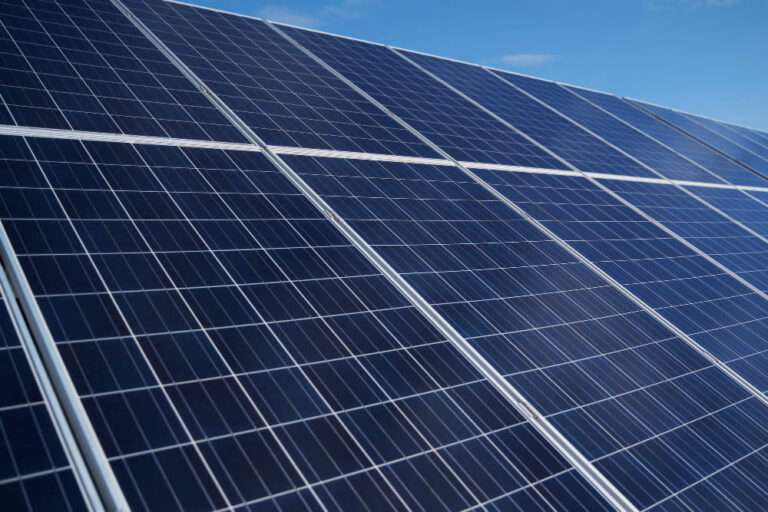
South Florida receives substantial sunlight throughout the year, creating a strong environment for residential solar energy production. A properly designed photovoltaic system converts sunlight into electricity that can be used directly inside the home, reducing the amount of electricity purchased from the utility company.
One of the biggest reasons homeowners search for solar panel installation in South Florida is the potential to reduce monthly electricity expenses. Homes in Florida often consume significant amounts of energy because air conditioning systems operate for much of the year. Pool pumps, water heaters, electric vehicle chargers, appliances, and other equipment can further increase household electricity consumption.
Solar panels can offset part or, depending on system design and household consumption, a substantial portion of that electricity usage. The actual results depend on factors such as roof orientation, available roof space, shading, system capacity, household consumption patterns, equipment efficiency, and local utility policies.
Solar can also provide homeowners with greater predictability over future energy costs. Utility rates can change over time, while a homeowner with a properly sized solar system can generate a portion of the electricity required by the property directly from the roof.
Another advantage is the potential impact on property desirability. Energy-efficient upgrades are increasingly important to homeowners, particularly in markets where electricity consumption can be significant. A professionally installed solar energy system can become a valuable feature of a property when the equipment, financing structure, installation quality, and documentation are properly managed.
How Much Do Solar Panels Cost in South Florida?
The cost of solar panel installation in South Florida varies considerably from one property to another. There is no single price that accurately represents every residential solar installation because each system should be designed around the home’s electricity consumption and physical characteristics.
System size is one of the biggest factors affecting solar installation cost. A homeowner with relatively low electricity consumption may require a smaller photovoltaic system, while a large property with multiple air conditioning units, a swimming pool, an EV charger, or other high-consumption equipment may require significantly more solar capacity.
Equipment selection also affects the final price. Solar panels vary in efficiency, output, warranty coverage, appearance, and manufacturer. Inverters, mounting equipment, electrical components, monitoring systems, and optional battery storage can further influence total project costs.
Roof conditions are another important consideration. A straightforward installation on a newer roof with adequate space and minimal shading may require less preparation than a project involving an older roof, unusual architecture, limited usable roof area, or structural considerations.
Electrical infrastructure can also affect solar installation costs. Some homes may need an electrical panel upgrade or other electrical modifications before a solar system can be safely connected. This is particularly relevant for older South Florida properties whose electrical systems were designed before modern household electricity demands became common.
Engineering, permitting, inspections, interconnection requirements, and installation labor must also be considered when evaluating the total cost of a solar project. Homeowners comparing solar quotes should therefore look beyond the advertised price and determine exactly what is included.
A professional solar proposal should clearly explain system size, expected production, equipment specifications, installation scope, warranties, electrical requirements, permitting responsibilities, and projected energy performance.
How Much Can Homeowners Save With Solar Panels?
Potential solar savings depend primarily on how much electricity a system produces and how much electricity the household consumes. Because every property is different, homeowners should be cautious about companies that guarantee specific savings without first analyzing historical electricity usage and the property itself.
A solar installer should review previous utility bills to understand annual electricity consumption. Looking at a full year of usage is often more useful than examining only one month because energy consumption can fluctuate seasonally.
South Florida homeowners commonly experience increased electricity demand during hotter periods when air conditioning systems work harder. A properly designed solar system should account for these patterns rather than relying on a generic system size.
Roof orientation and shading also influence solar production. Panels installed in areas with strong sunlight exposure generally produce more electricity than panels affected by significant shade from trees, nearby buildings, or architectural features.
Panel efficiency, inverter performance, system design, weather conditions, equipment degradation, and maintenance can also influence long-term production.
When evaluating savings, homeowners should focus on realistic long-term projections rather than exaggerated claims. Solar should be treated as an energy investment based on actual property conditions, electricity usage, equipment performance, and current utility rules.
What to Know Before Installing Solar Panels in South Florida
A successful solar installation begins long before panels are placed on the roof. Homeowners should first determine whether their property is actually suitable for solar.
The condition and remaining life of the roof should be evaluated. Solar panels can remain installed for many years, so placing a new system on a roof that may require replacement soon can create additional costs and complications later.
Available roof space is equally important. Solar panels require adequate usable surface area, and not every section of a roof will necessarily be appropriate for installation. Ventilation equipment, roof geometry, shading, orientation, setbacks, and structural conditions can influence system layout.
Homeowners should also consider future electricity needs. If you are planning to purchase an electric vehicle, install a pool, replace gas appliances with electric alternatives, add living space, or make other changes that could increase electricity consumption, discussing these plans with your solar installer can help create a more appropriate system design.
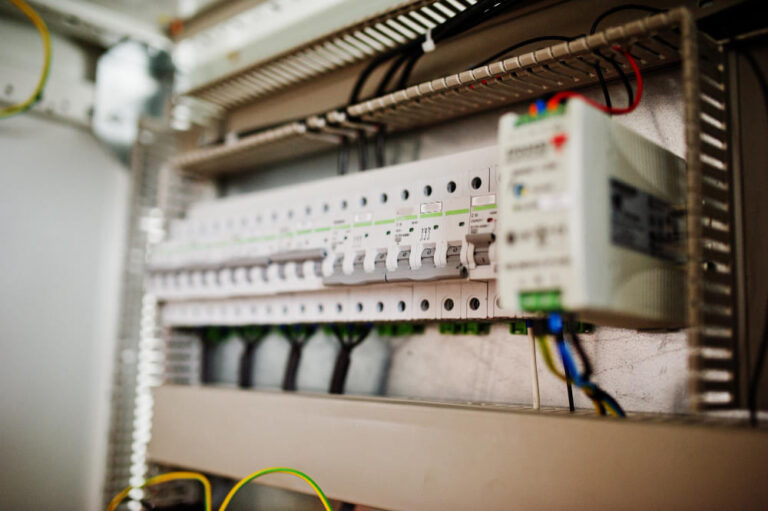
Electrical capacity should also be evaluated. Solar systems interact directly with a property’s electrical infrastructure, making professional electrical knowledge essential. Depending on the existing equipment and proposed solar capacity, an electrical panel upgrade or other modifications may be recommended or required.
Permitting is another critical part of solar panel installation in South Florida. Requirements can vary depending on the municipality and project. Engineering documents, electrical plans, structural considerations, inspections, utility interconnection procedures, and other approvals may be necessary before a system can legally begin operating.
Working with a company capable of coordinating design, engineering, permitting, electrical work, installation, and inspections can simplify the process considerably.
Solar Panels, Electrical Panels and EV Chargers
Modern home energy systems are increasingly interconnected. Solar panels are often only one part of a homeowner’s broader energy strategy.
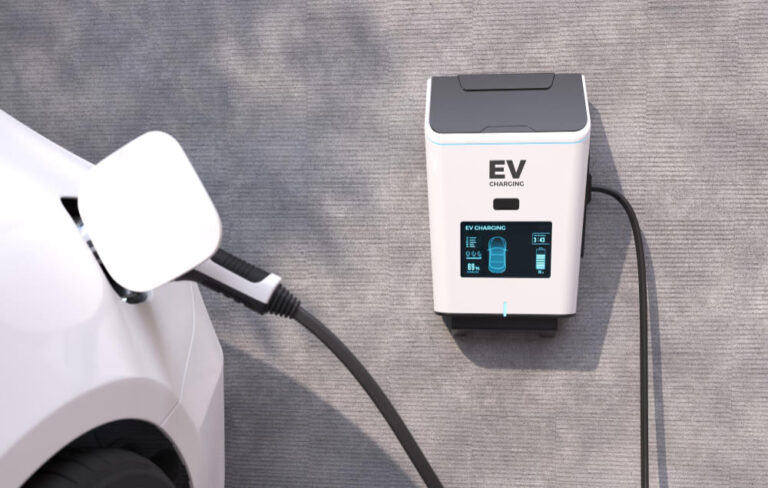
For example, homeowners purchasing electric vehicles frequently search for EV charger installation in South Florida at the same time they consider solar. Charging an electric vehicle at home can increase electricity consumption, which should be considered when determining the appropriate solar system size.
An EV charger can also place additional demand on a home’s electrical system. Depending on the property’s existing electrical capacity, an electrical panel upgrade may be necessary before installing certain charging equipment.
The same principle applies to HVAC systems. Air conditioning represents a major component of electricity consumption for many South Florida homes. An old or inefficient HVAC system may consume considerably more electricity than a modern high-efficiency system.
For this reason, homeowners interested in reducing energy costs should consider the property as an integrated energy system. Solar production, HVAC efficiency, electrical capacity, EV charging, insulation, appliances, and household usage patterns can all influence overall energy performance.
A company experienced in solar, electrical, EV charging, and HVAC services can evaluate these systems together instead of treating each improvement as an unrelated project.
How the Solar Panel Installation Process Works
The solar installation process typically begins with an evaluation of the property and its electricity consumption. Historical utility bills provide important information about how much energy the household uses throughout the year.
The property itself is then evaluated to determine available installation space, roof conditions, sunlight exposure, shading, electrical infrastructure, and other factors that may influence system design.
Once this information is collected, the solar system can be designed. The design determines factors such as system capacity, panel quantity, panel placement, inverter configuration, electrical connections, and expected energy production.
Engineering and permitting generally follow system design. Because solar installations involve both structural and electrical considerations, the project must comply with applicable building codes, electrical requirements, and local regulations.
After required approvals are obtained, installation can begin. Solar panels and mounting equipment are installed, electrical components are connected, and the system is integrated with the home’s electrical infrastructure.
The project may then require inspections and utility approval before final activation. The exact process and timeline can vary depending on the location, utility provider, municipality, project complexity, and permitting requirements.
Homeowners should ask prospective solar companies who is responsible for each stage. Some companies focus primarily on sales and outsource engineering, electrical work, installation, or other parts of the project. Others manage the complete process internally.
Knowing who will actually perform the work can help homeowners evaluate accountability, communication, workmanship, and potential project delays.
How to Choose a Solar Installation Company in South Florida
Choosing the right solar company can be just as important as selecting the equipment itself. Solar systems are long-term investments involving roofing, electrical infrastructure, engineering, permits, inspections, and utility coordination.
Start by verifying that the company is properly licensed and insured for the work being performed. Homeowners should also ask about installation experience, warranties, equipment manufacturers, permitting procedures, project management, and post-installation support.
Transparency should be a major consideration. A trustworthy solar installer should be willing to explain both the advantages and limitations of solar for your particular property.
Not every home is automatically a good candidate for solar. Heavy shading, insufficient roof space, upcoming roof replacement, unusual electricity consumption, structural limitations, or other factors can affect whether a project makes financial and practical sense.
Homeowners should be cautious about aggressive sales tactics, unrealistic promises, unexplained financing structures, or guaranteed savings that are not supported by a detailed energy analysis.
It is also important to determine whether the company uses subcontractors. When multiple independent companies handle sales, engineering, permitting, electrical work, and installation, homeowners may have difficulty determining who is responsible when questions or delays occur.
Working with a vertically integrated solar company can create a more streamlined experience because one organization manages the project from initial consultation through final installation and inspection.
Questions to Ask Before Hiring a Solar Company
Before signing a solar installation agreement, homeowners should understand exactly what they are purchasing.
Ask how the proposed system size was calculated and whether the company analyzed your historical electricity consumption. The installer should be able to explain why a specific system capacity is being recommended.
Ask about estimated annual production and the assumptions used to calculate it. Production estimates should consider roof orientation, shading, equipment efficiency, system losses, and other property-specific factors.
You should also ask which solar panels and inverters will be installed, who manufactures them, what warranties are provided, and who handles warranty claims if a problem occurs.
Find out whether engineering, permits, inspections, and utility interconnection are included in the proposal. Understanding these responsibilities before the project begins can prevent unexpected costs or confusion.
Homeowners should also ask who physically performs the installation. Knowing whether the work is completed by the company’s own employees or outsourced to subcontractors can provide additional insight into quality control and accountability.
Finally, request a clear explanation of the total project cost, payment or financing structure, estimated production, warranties, and any potential additional expenses.
Solar Panel Installation Across South Florida
Solar requirements can differ across South Florida communities because permitting procedures, building requirements, utility territories, property characteristics, and local regulations may vary.
Homeowners in Miami-Dade County may face different project considerations from homeowners in Broward County or Palm Beach County. Coastal conditions, roofing materials, wind requirements, property age, and existing electrical infrastructure can also influence system design.
For this reason, local experience matters. A solar installer familiar with South Florida should understand the environmental conditions and administrative processes commonly associated with projects throughout the region.
EvoTec USA provides solar, electrical, EV charger, and HVAC solutions for homeowners and businesses throughout Broward, Miami-Dade, Palm Beach, and the Greater Orlando area.
Because EvoTec USA is vertically integrated, the project is managed by one team from the initial consultation and system design through engineering, permitting, and installation. This approach provides homeowners with a single point of responsibility throughout the project instead of relying on multiple subcontractors.
The company’s field experience also allows solar projects to be evaluated alongside electrical infrastructure and other major energy systems. If an electrical panel needs to be upgraded before solar installation, or if future EV charging or HVAC requirements should be considered in system planning, these factors can be addressed as part of a broader energy strategy.
Is Solar Panel Installation Right for Your South Florida Home?
Solar panel installation can be an effective way for South Florida homeowners to reduce dependence on utility electricity and create a more efficient home energy system, but the decision should always be based on the specific property.
Electricity consumption, roof condition, sunlight exposure, available installation space, electrical capacity, system price, equipment quality, financing terms, and expected production should all be evaluated before moving forward.
The best solar system is not necessarily the largest system or the system with the lowest advertised price. It is the system properly designed around the home’s actual energy requirements and long-term goals.
Homeowners considering solar panel installation in South Florida should begin with a professional property and energy evaluation. A qualified installer can review electricity usage, inspect the property, identify potential electrical requirements, and determine whether solar makes sense for the home.
For homeowners and businesses throughout Broward, Miami-Dade, Palm Beach, and Greater Orlando, EvoTec USA provides complete solar solutions backed by hands-on field experience. With solar design, engineering, permitting, electrical services, and installation managed by one team, EvoTec USA offers a streamlined approach to residential and commercial energy improvements.
If you are considering solar panels for your South Florida property, the first step is understanding what your home actually needs. A professional solar evaluation can help determine the appropriate system size, expected energy production, necessary electrical upgrades, and potential long-term savings before you make an investment.