HVAC Installation in South Florida: Cost, Efficiency & How to Choose the Right System
HVAC installation in South Florida is one of the most important investments homeowners can make to maintain indoor comfort, improve energy efficiency, and manage long-term electricity costs. With high temperatures, intense humidity, and air conditioning systems operating throughout much of the year, choosing the right HVAC system is essential for residential properties in Miami-Dade County, Broward County, and Palm Beach County.
Unlike regions with mild summers, South Florida places significant demands on residential cooling equipment. An outdated, improperly sized, or inefficient air conditioning system can increase electricity consumption, create uneven indoor temperatures, and struggle to control humidity. A properly designed and professionally installed HVAC system can improve comfort, support healthier indoor conditions, and reduce unnecessary energy waste.
However, HVAC installation involves more than selecting an air conditioner based on its price or advertised efficiency rating. Homeowners must consider system capacity, property size, insulation, ductwork, electrical infrastructure, humidity control, installation requirements, and long-term maintenance.
Whether you are building a new home, replacing an outdated air conditioner, or upgrading your existing heating and cooling equipment, understanding HVAC installation costs and system options can help you make a more informed decision.
This complete guide explains everything homeowners need to know about HVAC installation in South Florida, including installation costs, energy efficiency ratings, different HVAC systems, replacement signs, and how to choose a qualified HVAC installation company.
Why HVAC Installation Is Important in South Florida
South Florida’s subtropical climate creates unique challenges for residential heating and cooling systems. High outdoor temperatures, prolonged cooling seasons, elevated humidity levels, and frequent summer storms all influence how HVAC equipment performs.
For many homeowners, air conditioning represents one of the largest sources of household electricity consumption. An HVAC system that operates inefficiently can significantly affect monthly utility bills, particularly during periods of intense heat.
A properly installed HVAC system helps maintain consistent indoor temperatures while managing moisture levels and circulating conditioned air throughout the home.
Humidity control is especially important in South Florida. Even when indoor temperatures feel relatively comfortable, excessive moisture can make rooms feel sticky and uncomfortable. Poor humidity management can also contribute to condensation and conditions that encourage mold growth.
An appropriately sized HVAC system should provide sufficient cooling while allowing adequate operating cycles to remove moisture from indoor air.
Professional HVAC installation also contributes to equipment reliability. Correct refrigerant charging, airflow configuration, electrical connections, condensate drainage, and system commissioning all influence long-term performance.
Homeowners who invest in professional HVAC installation can reduce the likelihood of avoidable installation-related problems and help their equipment operate closer to its intended efficiency.
How Much Does HVAC Installation Cost in South Florida?
HVAC installation cost in South Florida varies depending on the type of equipment, system capacity, installation complexity, property characteristics, and additional work required.
For budgeting purposes, a complete residential central air conditioning replacement may cost approximately $5,000 to $12,000 or more, while larger homes, premium high-efficiency equipment, extensive ductwork modifications, or complicated installations can exceed that range.
These figures are broad planning estimates rather than verified local quotes. Actual HVAC installation pricing in Miami, Fort Lauderdale, Boca Raton, Pompano Beach, Coral Springs, and other South Florida communities should be determined through a property-specific assessment.
The type of HVAC system is one of the biggest factors affecting the final price. A conventional central air conditioning system may have different installation requirements from a variable-speed heat pump or ductless mini-split system.
System capacity also affects cost. Larger homes may require equipment with greater cooling capacity, although square footage alone should never determine the appropriate system size.
Equipment efficiency is another consideration. Higher-efficiency HVAC systems often have higher initial prices but may reduce electricity consumption over time, depending on operating conditions and household usage.
Ductwork conditions can also influence the project. If existing air ducts are damaged, poorly sealed, improperly sized, or contaminated, repairs or modifications may be recommended before installing new equipment.
Electrical infrastructure is another important factor. Some HVAC replacements can use existing electrical connections when they are appropriate for the new equipment. Other projects may require circuit modifications, disconnect replacements, or electrical panel upgrades.
Homeowners should also consider installation labor, permits, inspections, equipment accessibility, condensate drainage, thermostat compatibility, and any required modifications to the existing system.
A professional HVAC installation estimate should clearly explain what equipment will be installed, the scope of work, efficiency ratings, warranty coverage, and any additional improvements necessary for proper operation.
What Factors Affect Air Conditioning Installation Cost?
Several factors determine the total cost of air conditioning installation in South Florida.
Property size and cooling requirements are among the most important. Larger homes generally require greater cooling capacity, but factors such as insulation, ceiling height, window exposure, air leakage, and building orientation also influence equipment selection.
Existing equipment configuration matters as well. Replacing an older system with equipment that fits the existing installation may be less complicated than relocating an air handler, modifying refrigerant lines, or redesigning the duct system.
The condition of the home’s ductwork can have a significant impact on both installation costs and future performance. Leaky or poorly designed ducts can waste conditioned air and reduce comfort even when a high-efficiency HVAC unit is installed.
Equipment technology also affects pricing. Single-stage systems, two-stage systems, and variable-speed systems operate differently and offer different levels of comfort control and efficiency.
Brand, warranty coverage, installation accessibility, equipment availability, and local permitting requirements may also influence the final estimate.
Homeowners should avoid choosing an HVAC contractor based only on the lowest advertised installation price. A less expensive installation that ignores airflow, electrical requirements, or proper equipment sizing may create higher operating costs and future repair expenses.
Types of HVAC Systems for South Florida Homes
Choosing the right HVAC system depends on the property’s layout, cooling requirements, existing infrastructure, energy goals, and budget.
South Florida homeowners have several options, including central air conditioning systems, heat pumps, ductless mini-splits, and advanced variable-speed equipment.
Each system has advantages and limitations. Understanding how these systems operate can help homeowners choose equipment that matches their specific needs.
Central Air Conditioning Systems
Central air conditioning is one of the most common cooling solutions for residential properties throughout South Florida.
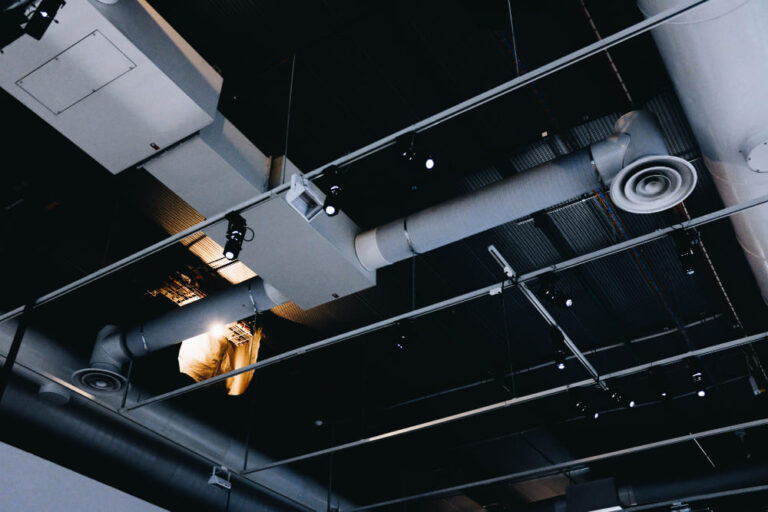
These systems typically use an outdoor condenser unit and an indoor air handler or evaporator coil to remove heat from indoor air. Conditioned air is distributed throughout the property using ductwork.
Central AC systems can provide consistent cooling across multiple rooms and are often a practical option for homes that already have suitable duct infrastructure.
When properly designed, central air conditioning can maintain comfortable indoor temperatures and support effective humidity removal.
However, system performance depends on more than the equipment itself. Duct sizing, airflow, insulation, thermostat placement, refrigerant configuration, and installation quality all influence comfort and efficiency.
For homeowners replacing an existing central AC system, a professional assessment should determine whether the current ductwork and electrical infrastructure are appropriate for the new equipment.
Heat Pump Installation in South Florida
Heat pumps are another popular option for homeowners interested in efficient heating and cooling.
Unlike traditional cooling-only air conditioning systems, heat pumps can provide both cooling and heating by transferring heat between indoor and outdoor environments.
During hot weather, a heat pump operates similarly to an air conditioner by removing heat from inside the home. During cooler weather, the system can reverse operation to provide heating.
Because South Florida experiences relatively mild winters, heat pumps can be particularly suitable for properties that need substantial cooling throughout the year but only occasional heating.
Modern heat pumps are available with different efficiency ratings and operating technologies, including variable-speed compressors that adjust output based on demand.
A properly selected heat pump can offer energy-efficient comfort while reducing the need for separate heating equipment.
However, the best system depends on the property’s existing infrastructure, heating requirements, cooling loads, and overall energy strategy.
Ductless Mini-Split HVAC Systems
Ductless mini-split systems are increasingly used in South Florida homes where conventional ductwork is unavailable, impractical, or unnecessary.
A ductless mini-split typically includes an outdoor unit connected to one or more indoor air-handling units.
These systems can provide targeted heating and cooling without requiring traditional duct distribution throughout the entire property.
Ductless HVAC installation can be especially useful for home additions, converted garages, guest rooms, home offices, and spaces that experience uneven temperatures.
Mini-splits may also be suitable for certain renovations where installing new ductwork would be expensive or disruptive.
Many ductless systems offer inverter-driven operation, allowing the equipment to adjust output based on cooling demand.
However, homeowners should consider indoor unit placement, condensate drainage, electrical requirements, aesthetics, maintenance access, and the number of rooms requiring conditioning.
A qualified HVAC contractor can determine whether a ductless system or traditional central air conditioning provides the best solution.
How to Choose the Right HVAC System for Your Home
Selecting the best HVAC system for a South Florida home requires a detailed understanding of the property’s cooling load.
One of the most common mistakes is assuming that a larger air conditioning system automatically provides better cooling.
An oversized HVAC system may cool the air too quickly and shut off before removing sufficient moisture, potentially creating uncomfortable humidity conditions.
An undersized system may struggle to maintain desired indoor temperatures during periods of extreme heat.
Proper equipment sizing should be based on a recognized residential load calculation, such as ACCA Manual J, rather than relying only on square footage or the capacity of the previous unit.
The calculation considers factors such as building dimensions, insulation, window characteristics, orientation, air leakage, occupancy, and local design temperatures.
After determining the appropriate cooling load, the contractor should evaluate equipment specifications, ductwork, airflow, and installation requirements.
Understanding SEER2 Ratings and Energy Efficiency
Energy efficiency is one of the most important considerations when choosing HVAC equipment in South Florida.
SEER2, or Seasonal Energy Efficiency Ratio 2, is a rating used to describe the seasonal cooling efficiency of certain air conditioning and heat pump systems under standardized testing procedures.
In general, a higher SEER2 rating indicates greater cooling efficiency under the rating conditions.
However, the highest-rated system is not automatically the most cost-effective choice for every home.
The financial value of a high-efficiency HVAC system depends on the difference in equipment cost, annual cooling demand, electricity rates, installation quality, and expected operating life.
Homeowners should compare the projected operating costs of different systems rather than focusing exclusively on the efficiency rating.
It is also important to verify that the selected equipment meets applicable federal efficiency standards for the installation region and equipment category.
In South Florida, where cooling demand is substantial, efficiency improvements can be particularly relevant because air conditioning equipment may operate for much of the year.
Variable-speed systems can provide additional comfort benefits by adjusting cooling output more gradually instead of operating only at full capacity.
These systems may improve temperature consistency and humidity management when properly designed and installed.
Why Proper HVAC Sizing Matters
Correct HVAC sizing is essential for both comfort and energy efficiency.
A system that is too small may operate for extended periods without adequately cooling the home.
A system that is too large may cycle frequently, resulting in unnecessary wear, inconsistent temperatures, and potentially inadequate humidity control.
Proper sizing also affects electricity consumption. Equipment that is not matched to the building’s cooling load may operate less efficiently than expected.
South Florida homes have different cooling requirements depending on roof insulation, windows, building orientation, air leakage, ceiling height, and exposure to sunlight.
Two homes with identical square footage can require different HVAC capacities because of these characteristics.
This is why a professional HVAC installation company should evaluate the property rather than simply recommending a replacement with the same tonnage as the existing system.
When Should You Replace Your HVAC System?
Knowing when to replace an air conditioner can help homeowners avoid repeated repairs, unexpected breakdowns, and unnecessary energy expenses.
HVAC equipment does not have a universal replacement age. Service life depends on equipment quality, installation, operating conditions, maintenance, and environmental exposure.
In South Florida, long cooling seasons and coastal conditions can place additional demands on equipment.
As an HVAC system ages, homeowners may notice declining performance, increased electricity consumption, unusual sounds, recurring repairs, or difficulty maintaining comfortable indoor temperatures.
Frequent breakdowns can be a sign that replacement should be considered, particularly when repair costs become substantial compared with the value and expected remaining life of the equipment.
Rising electricity bills can also indicate declining efficiency, although higher utility rates, changing weather, and household usage patterns should be considered before assuming the HVAC system is responsible.
Uneven cooling is another common concern. Some rooms may remain warm while others become excessively cold.
These symptoms can result from equipment problems, ductwork issues, insulation deficiencies, or improper system design.
A professional inspection can determine whether repair, ductwork improvements, maintenance, or complete HVAC replacement is the most appropriate solution.
HVAC Repair vs HVAC Replacement
Deciding between HVAC repair and replacement requires evaluating the condition of the equipment, the cost of repairs, system efficiency, and future reliability.
Minor problems do not necessarily justify replacing an entire HVAC system.
A relatively simple component failure may be worth repairing when the equipment is otherwise in good condition.
However, major component failures, recurring service problems, refrigerant-related issues, or substantial performance deterioration can make replacement more attractive.
Homeowners should also consider the cost of continued operation.
An older, inefficient system may have a lower immediate repair cost but continue generating higher electricity expenses over time.
Replacement may provide an opportunity to improve efficiency, humidity control, temperature consistency, and compatibility with modern thermostats and energy management systems.
The decision should be based on a realistic comparison of repair costs, replacement costs, equipment condition, and expected long-term performance.
A trustworthy HVAC contractor should explain available options without automatically recommending the most expensive solution.
How HVAC Installation Can Reduce Energy Costs
A professionally designed HVAC system can help reduce energy waste by delivering the cooling capacity a property needs more efficiently.
High-efficiency equipment can reduce electricity consumption compared with older, less efficient systems when operating under comparable conditions.
Proper installation is equally important.
Even high-efficiency equipment can underperform if the ductwork is leaking, airflow is restricted, refrigerant charge is incorrect, or the system is improperly sized.
Homeowners can also improve HVAC performance by addressing insulation, air sealing, thermostat settings, duct leakage, and routine maintenance.
Smart or programmable thermostats may help manage cooling schedules and reduce unnecessary operation when used appropriately.
Regular filter replacement and professional maintenance can support airflow and system performance.
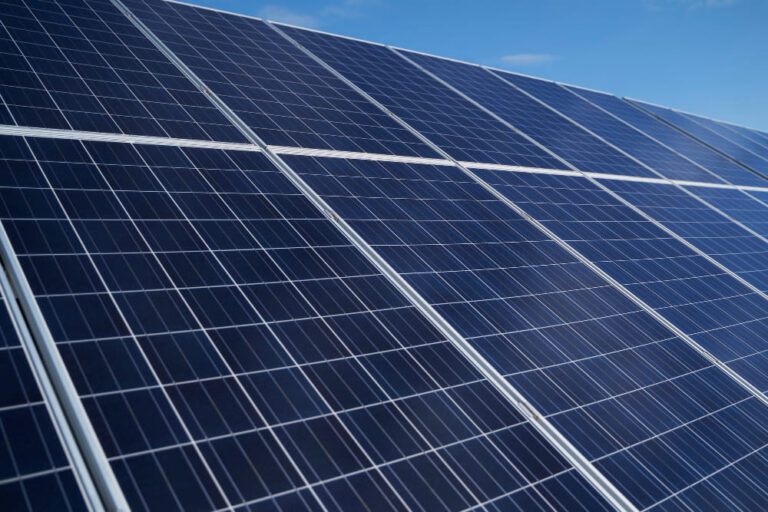
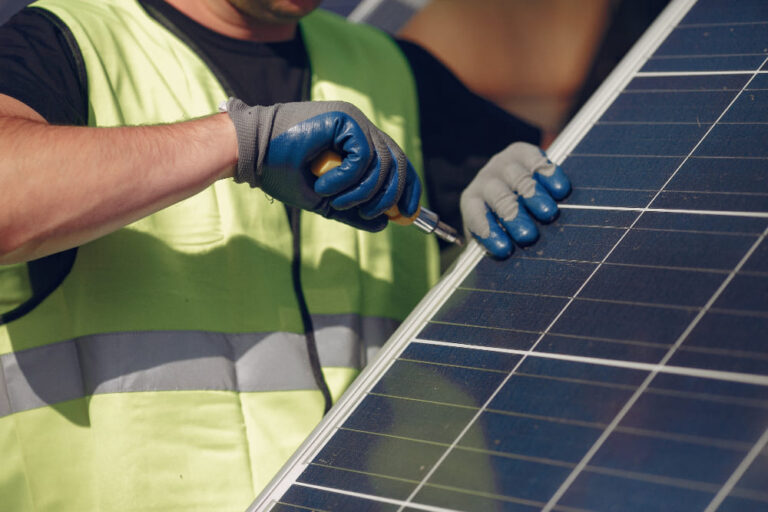
For homeowners considering broader energy improvements, HVAC upgrades can also be evaluated alongside solar panel installation and other electrical improvements.
HVAC Installation and Solar Energy in South Florida
Solar energy and HVAC systems are closely connected because air conditioning represents a substantial portion of electricity consumption for many South Florida households.
Homeowners considering solar panel installation should evaluate their HVAC equipment before determining the appropriate solar system size.
For example, replacing an older, inefficient air conditioner with a modern high-efficiency system may reduce household electricity consumption.
This change can affect the amount of solar capacity needed to offset a portion of the property’s annual electricity use.
Similarly, homeowners planning to add new HVAC equipment should discuss the expected electrical requirements when designing a solar energy system.
An integrated energy strategy considers cooling demand, electrical capacity, solar production, EV charging, and other major household loads together.
This approach can help homeowners avoid designing systems around outdated energy consumption assumptions.
Electrical Panel Requirements for HVAC Installation
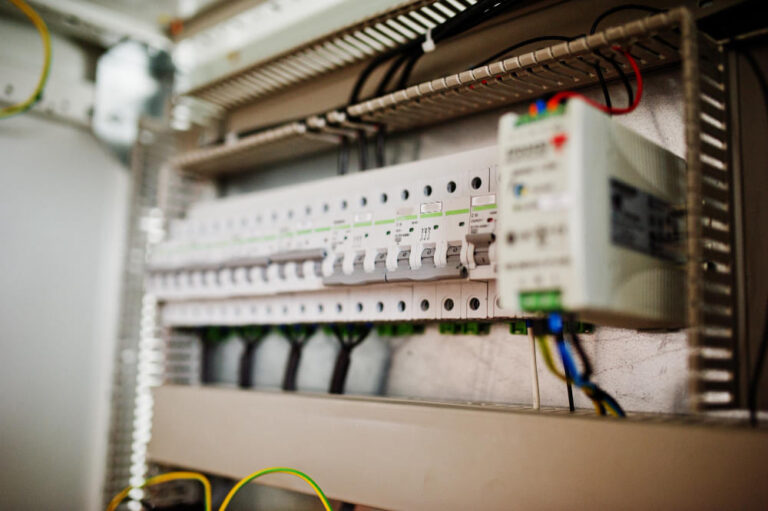
HVAC installation involves electrical requirements that should be evaluated before new equipment is installed.
Air conditioning systems and heat pumps require appropriate electrical circuits, disconnecting means, wiring, and protection equipment.
Some replacement projects can use existing electrical infrastructure when it is compatible with the new equipment and meets applicable requirements.
Other installations may require electrical modifications.
Older South Florida homes may have electrical panels or circuits that need professional evaluation before major HVAC upgrades.
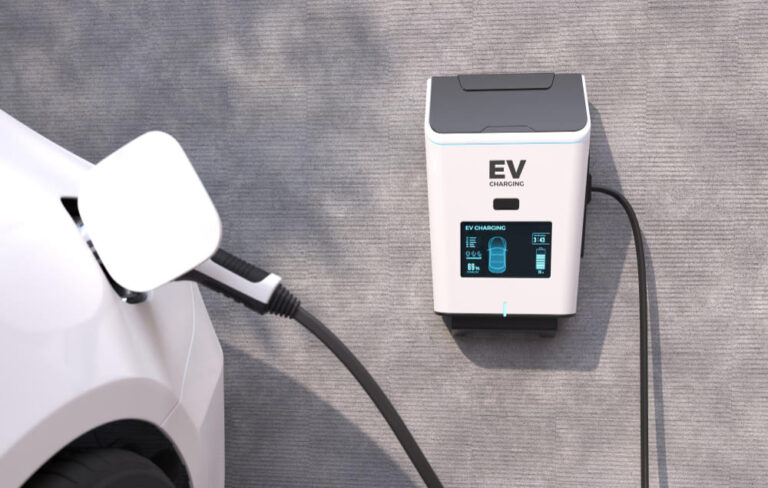
The situation becomes particularly important when homeowners are simultaneously planning EV charger installation, solar panels, additional appliances, or other high-demand equipment.
A licensed electrical professional can evaluate the existing infrastructure and determine whether modifications are necessary.
Not every HVAC installation requires an electrical panel upgrade. The decision depends on the equipment specifications, available electrical capacity, existing conditions, and applicable requirements.
Working with a company experienced in both HVAC and electrical services can simplify coordination between these systems.
How Long Does HVAC Installation Take?
The duration of an HVAC installation depends on the scope and complexity of the project.
A straightforward replacement of an existing system may be completed within a day in some circumstances, while more complex installations can require additional time.
Projects involving ductwork modifications, equipment relocation, electrical upgrades, structural work, or multiple HVAC systems generally require more planning and labor.
Permits and inspections may also affect the overall project schedule.
Before installation begins, homeowners should ask the contractor to explain the anticipated timeline, equipment availability, work requirements, and any expected interruption to air conditioning.
Proper planning is particularly important in South Florida, where going without cooling during hot weather can create significant discomfort.
Choosing an HVAC Installation Company in South Florida
Selecting a qualified HVAC contractor is one of the most important steps in protecting your investment.
Homeowners searching for HVAC installation near me, AC installation in South Florida, or air conditioning replacement should evaluate contractor qualifications, experience, transparency, and installation practices.
Start by verifying that the company holds the appropriate licenses and insurance for the work being performed.
Ask whether the contractor performs a detailed assessment of the property before recommending equipment.
Professional HVAC installation should involve evaluating cooling requirements, equipment sizing, airflow, ductwork, electrical infrastructure, and installation conditions.
Homeowners should also ask about equipment warranties, installation workmanship, maintenance recommendations, and post-installation support.
A transparent estimate should clearly explain the proposed equipment, system capacity, efficiency ratings, scope of work, and total project cost.
Companies that offer extremely low prices without properly evaluating the property may overlook important installation requirements.
Choosing an experienced contractor can help ensure that the HVAC system is selected and installed according to the property’s actual needs.
HVAC Installation in Miami-Dade, Broward and Palm Beach Counties
South Florida homeowners face similar cooling challenges, but individual properties can have very different HVAC installation requirements.
In Miami-Dade County, residential properties range from older homes to modern construction, each with different electrical, ductwork, and cooling characteristics.
Homeowners in Miami, Miami Beach, Doral, Hialeah, and surrounding communities may need HVAC systems designed around high humidity, intense summer heat, and property-specific installation conditions.
In Broward County, homeowners in Fort Lauderdale, Pompano Beach, Coral Springs, Hollywood, Pembroke Pines, and nearby communities may be considering air conditioning replacement, high-efficiency HVAC upgrades, or new installations during renovation projects.
Palm Beach County properties in Boca Raton, Delray Beach, Boynton Beach, West Palm Beach, and surrounding areas can also present a wide range of HVAC requirements.
Coastal exposure, property age, roof conditions, insulation, ductwork, and existing electrical systems can all influence equipment selection and installation.
Because requirements vary by municipality and project type, working with a company familiar with South Florida permitting and installation conditions can help simplify the process.
Why Choose EvoTec USA for HVAC Installation?
EvoTec USA provides solar, electrical, and HVAC solutions for homeowners and businesses throughout South Florida and the Greater Orlando area.
Founded in 2023, EvoTec USA was built on hands-on field experience and a commitment to honest, high-quality energy solutions.
Unlike companies that outsource critical stages of their projects, EvoTec USA operates with a vertically integrated approach. From the initial consultation and system design through engineering, permitting, and installation, the company manages its projects with its own team.
This structure provides homeowners with a single company responsible for the process, helping simplify communication and project coordination.
EvoTec USA also understands that HVAC equipment is part of a larger property energy system.
Air conditioning, electrical panels, solar energy systems, and EV charging equipment can all influence household energy consumption and infrastructure requirements.
By offering multiple energy-related services, EvoTec USA can help homeowners evaluate improvements with a broader understanding of their property’s needs.
Transparency is central to the company’s approach. If an HVAC system can be repaired instead of replaced, or if additional electrical work is necessary before installation, homeowners should receive a clear explanation of the available options.
With service coverage across Broward County, Miami-Dade County, Palm Beach County, and Greater Orlando, EvoTec USA helps homeowners make informed decisions about comfort, energy efficiency, and long-term property improvements.
Frequently Asked Questions About HVAC Installation in South Florida
How Much Does a New HVAC System Cost in Florida?
The cost of a new HVAC system depends on equipment type, cooling capacity, efficiency rating, installation complexity, and property conditions.
A complete residential central AC replacement may fall within a broad planning range of approximately $5,000 to $12,000 or more, but actual costs vary significantly.
High-efficiency equipment, larger properties, extensive ductwork modifications, and electrical upgrades can increase the total investment.
A professional property assessment is the best way to obtain an accurate installation estimate.
What Is the Best HVAC System for Florida’s Climate?
The best HVAC system for Florida depends on the property’s cooling requirements, insulation, ductwork, humidity conditions, and budget.
High-efficiency central air conditioning systems and heat pumps are common options for South Florida homes.
Variable-speed equipment may offer additional comfort and humidity-control benefits when properly sized and installed.
A qualified HVAC contractor should evaluate the property before recommending a specific system.
How Often Should HVAC Systems Be Replaced in South Florida?
There is no fixed replacement schedule that applies to every HVAC system.
Many residential systems operate for approximately 10 to 15 years, although actual service life can be shorter or longer depending on equipment quality, maintenance, installation, operating conditions, and coastal exposure.
Homeowners should consider replacement when equipment experiences recurring breakdowns, major component failures, declining performance, or repair costs that are difficult to justify.
Is a Higher SEER2 Rating Worth the Investment?
A higher SEER2 rating generally indicates better seasonal cooling efficiency under standardized testing conditions.
Whether the additional investment is worthwhile depends on the purchase price difference, annual cooling demand, electricity costs, and expected operating life.
In South Florida, where air conditioning operates frequently, efficiency improvements can have meaningful long-term value.
However, proper system sizing and installation quality are just as important as the equipment’s advertised rating.
Do I Need a Permit to Replace My AC Unit in South Florida?
HVAC replacement and installation commonly require permits and inspections, depending on the municipality and scope of work.
Requirements can differ across Miami-Dade, Broward, and Palm Beach counties and their individual cities.
Homeowners should confirm permitting responsibilities with their contractor and the applicable local building department before installation.
Can Solar Panels Help Reduce HVAC Electricity Costs?
Solar panels can generate electricity that helps offset household consumption, including electricity used by HVAC equipment.
The amount of potential savings depends on solar production, electricity consumption, utility rates, system design, and applicable utility policies.
Homeowners planning both solar and HVAC improvements should evaluate the projects together to ensure that energy consumption estimates reflect the property’s expected equipment.
Schedule Professional HVAC Installation in South Florida
Choosing the right HVAC system is about more than purchasing a new air conditioner. It requires understanding the property’s cooling demands, selecting appropriate equipment, evaluating electrical infrastructure, and ensuring professional installation.
For homeowners throughout Miami-Dade County, Broward County, and Palm Beach County, investing in a properly designed HVAC system can improve indoor comfort, support effective humidity control, and reduce unnecessary electricity consumption.
Whether you are replacing an outdated central air conditioner, installing a high-efficiency heat pump, considering ductless mini-split equipment, or planning a broader home energy upgrade, the first step is a professional evaluation.
EvoTec USA provides HVAC, electrical, solar, and energy solutions throughout South Florida and Greater Orlando. With a vertically integrated team, hands-on experience, and a commitment to transparent recommendations, the company helps homeowners identify solutions that fit their properties and long-term goals.
If you are searching for HVAC installation in South Florida, AC replacement, or a professional HVAC installation company, contact EvoTec USA to discuss your project and schedule an assessment.
Improve your home’s comfort, energy efficiency, and long-term performance with HVAC solutions designed around your needs.