Solar Panel Installation in Fort Lauderdale, FL: Cost, Benefits & How to Choose the Best Solar Company
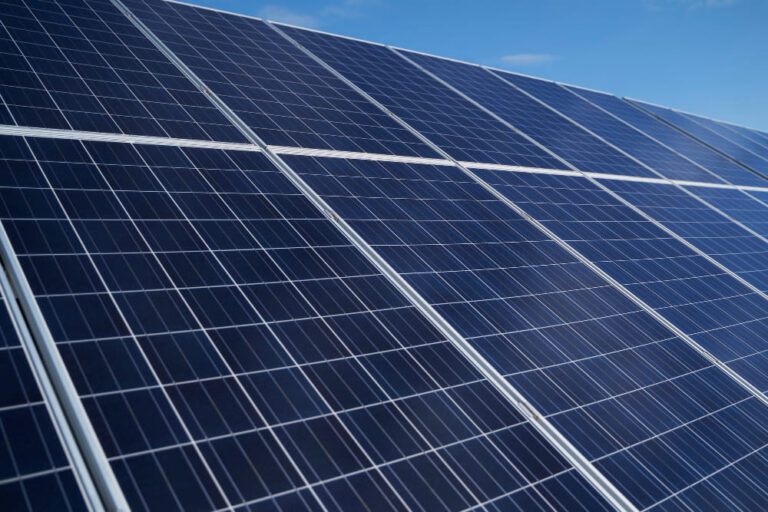
Solar panel installation in Fort Lauderdale, FL, has become an increasingly attractive option for homeowners looking to reduce electricity costs, improve energy efficiency, and make long-term investments in their properties. With abundant sunshine throughout the year, significant air conditioning demands, and growing interest in renewable energy, Fort Lauderdale offers favorable conditions for residential solar energy systems.
However, installing solar panels involves much more than selecting equipment and placing it on a roof. Homeowners must consider solar installation costs, electricity consumption, roof conditions, system efficiency, permitting requirements, financing options, and the qualifications of the solar installation company.
Whether you own a home in Victoria Park, Rio Vista, Coral Ridge, Harbor Beach, Las Olas Isles, or another Fort Lauderdale neighborhood, choosing the right solar system can make a significant difference in long-term performance and financial results.
This comprehensive guide explains everything homeowners need to know about solar panel installation in Fort Lauderdale, including average costs, potential savings, installation benefits, local permitting requirements, and how to choose a reliable solar company in Broward County.
Why Solar Panel Installation Is a Smart Investment in Fort Lauderdale
Fort Lauderdale’s climate creates favorable conditions for solar energy production. The city experiences substantial sunshine throughout the year, allowing properly designed photovoltaic systems to generate electricity across multiple seasons.
For homeowners in South Florida, electricity consumption can be particularly high because air conditioning systems operate for much of the year. Swimming pool pumps, electric water heaters, appliances, home offices, and electric vehicle chargers can further increase household energy demand.
Installing solar panels allows homeowners to generate electricity directly from sunlight, potentially reducing the amount of power purchased from their utility provider.
The financial benefits depend on several factors, including system size, electricity consumption, roof orientation, shading, utility rates, and applicable compensation rules for electricity exported to the grid.
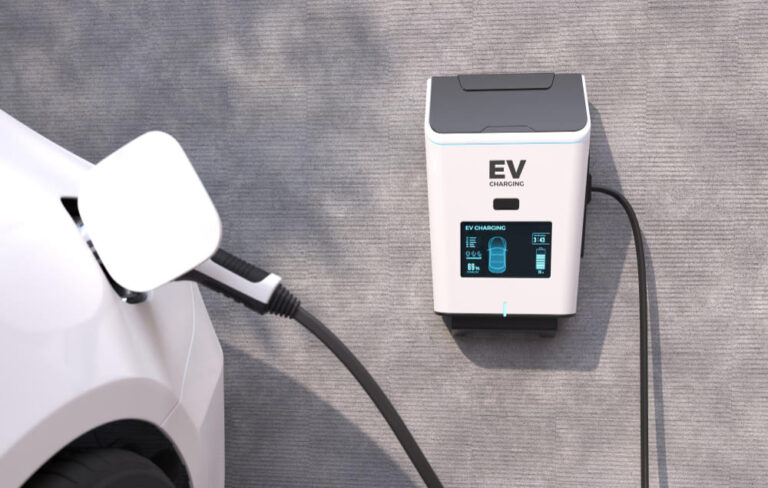
Solar panels can also support a broader home energy strategy. Homeowners planning to install EV chargers, upgrade HVAC equipment, or modernize electrical systems may benefit from evaluating these improvements together.
Rather than treating solar installation as an isolated purchase, homeowners should consider how it fits into their property’s current and future electricity needs.
Benefits of Installing Solar Panels in Fort Lauderdale
One of the most important advantages of residential solar installation is the potential to reduce long-term electricity expenses.
A properly sized solar system can offset a portion of household electricity consumption, reducing dependence on electricity purchased from the utility company.
Solar energy can also provide greater predictability in household energy expenses. Although utility charges and regulations can change, generating electricity on-site may reduce exposure to future increases in purchased electricity costs.
Another benefit is improved energy efficiency planning. Homeowners installing solar often become more aware of their electricity consumption and may identify opportunities to improve HVAC efficiency, insulation, lighting, and other systems.
Solar panels can also make a property more appealing to certain buyers. However, the effect on resale value depends on factors such as system ownership, equipment condition, financing obligations, installation quality, and local market preferences.
Environmental benefits are another consideration. Solar energy produces electricity without direct emissions during operation, helping reduce reliance on electricity generated from fossil fuels.
For homeowners interested in long-term property improvements, solar can be an important component of a modern energy system.
Is Fort Lauderdale a Good Location for Solar Panels?
Fort Lauderdale is generally well suited for solar energy because of its geographic location and year-round sunlight.
However, the amount of sunlight available in a city does not automatically determine whether every property is a good candidate for solar installation.
Individual roof characteristics play an important role.
A roof with adequate usable space, favorable orientation, limited shading, and suitable structural conditions may support strong solar production.
Properties surrounded by tall trees or nearby buildings may experience reduced output during certain times of the day.
Roof age and condition are also important. Homeowners with roofs approaching replacement should discuss the timing of solar installation before proceeding.
South Florida’s weather conditions create additional considerations. Solar mounting systems and roof attachments must be designed and installed according to applicable structural and wind-resistance requirements.
A professional solar installer should evaluate these conditions before recommending a system.
How Much Does Solar Panel Installation Cost in Fort Lauderdale, FL?
Solar panel installation cost in Fort Lauderdale varies depending on system capacity, equipment quality, roof conditions, installation complexity, and electrical requirements.
As a broad budgeting illustration, residential solar projects may cost approximately $2.50 to $3.50 per watt before applicable incentives. These figures are not verified current Fort Lauderdale contractor quotes, and actual pricing can fall outside this range.
For example, an 8-kilowatt residential solar system at those illustrative prices would have an estimated gross equipment and installation cost of approximately $20,000 to $28,000.
A larger 10-kilowatt system at the same illustrative price range would cost approximately $25,000 to $35,000 before incentives, financing charges, or optional equipment such as battery storage.
These examples are intended to explain how solar pricing is commonly calculated rather than establish guaranteed local prices.
The actual cost depends on the home’s electricity consumption, available roof space, panel selection, inverter configuration, mounting equipment, installation labor, engineering, permitting, and potential electrical modifications.
Homeowners should request a detailed solar proposal based on their specific property rather than relying on generalized online estimates.
What Factors Affect Solar Installation Cost?
System size is one of the biggest factors influencing solar installation pricing.
A homeowner with relatively low electricity consumption may need fewer solar panels than a household with multiple air conditioning systems, a swimming pool, electric appliances, and EV charging equipment.
Equipment quality also matters. Solar panels vary in power output, efficiency, appearance, manufacturer warranties, and long-term performance characteristics.
Inverter selection can influence both system performance and installation costs. Depending on the project, the system may use a string inverter, microinverters, or another suitable configuration.
Roof conditions can create additional expenses. Tile roofs, complex roof layouts, limited installation areas, and structural requirements may require different installation methods.
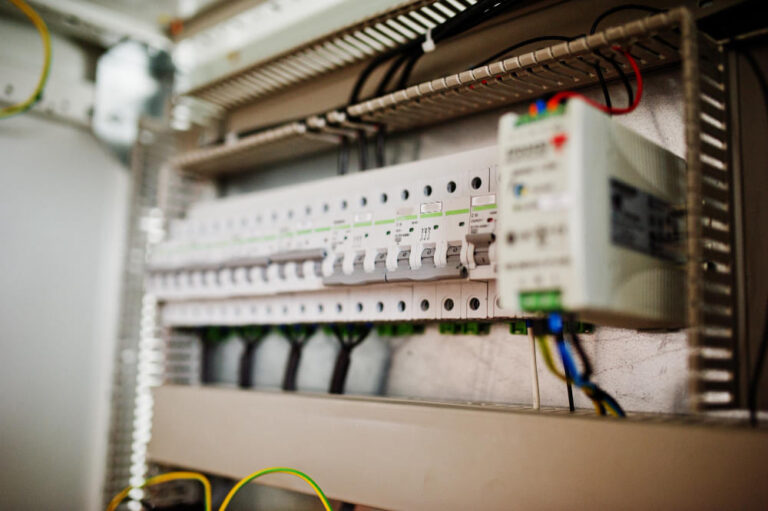
Electrical infrastructure should also be evaluated. Some properties may require electrical panel modifications or other electrical upgrades to accommodate the proposed solar system.
Permitting, engineering, inspections, and utility interconnection are additional components of the project.
Optional battery storage can substantially increase the initial investment but may provide benefits related to backup power and energy management.
A transparent solar installation estimate should explain which services, equipment, and project responsibilities are included.
How Much Can You Save With Solar Panels in Fort Lauderdale?
Solar savings depend on the amount of electricity the system generates and the financial value of that electricity under the homeowner’s utility arrangement.
For example, consider a hypothetical home consuming 15,000 kilowatt-hours annually.
If a solar system produces 12,000 kilowatt-hours per year, it generates an amount of electricity equivalent to 80% of the home’s annual consumption.
However, this does not automatically mean the electricity bill will decrease by exactly 80%.
Actual savings depend on when electricity is consumed, how exported energy is credited, utility rate structures, minimum charges, and other billing considerations.
Homeowners should review at least 12 months of electricity consumption when evaluating solar installation.
A professional installer can use this information, along with roof characteristics and solar production modeling, to estimate appropriate system capacity.
The most useful solar proposal should provide realistic annual production estimates and clearly explain the assumptions behind projected savings.
Solar Panel Installation Process in Fort Lauderdale
Professional solar installation involves several stages, beginning with an assessment of the property’s electricity consumption and physical conditions.
A qualified installer should review utility bills, inspect or evaluate the roof, assess shading, examine electrical infrastructure, and discuss the homeowner’s energy goals.
This information is used to develop a solar system design appropriate for the property.
The design process determines the number of panels, system capacity, equipment configuration, panel placement, electrical connections, and estimated production.
Engineering and permitting follow the design stage.
Solar installations in Fort Lauderdale must comply with applicable building and electrical requirements. Depending on the project, approvals and inspections may be required before the system can operate.
Once the necessary approvals are obtained, installation can begin.
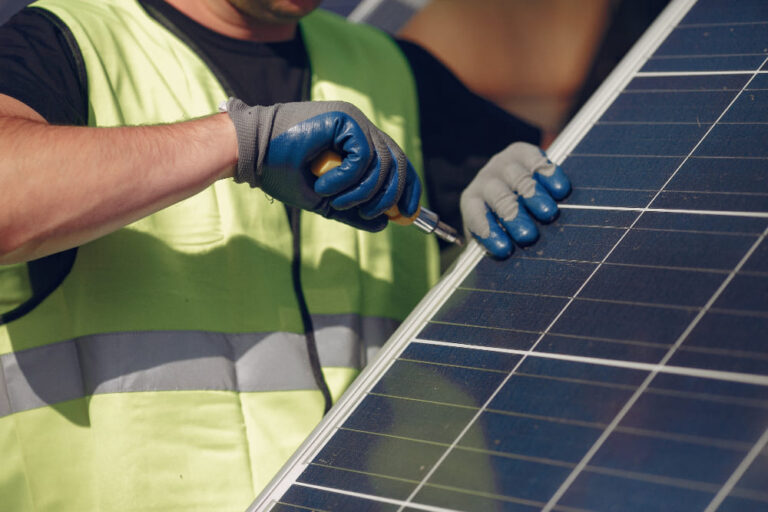
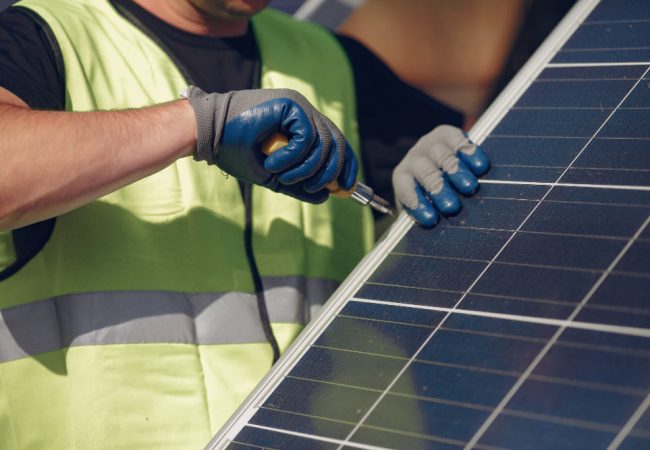
Solar panels and mounting equipment are installed, electrical components are connected, and the system is integrated with the property’s electrical infrastructure.
Following installation, inspections and utility interconnection procedures must be completed as applicable.
The project timeline depends on permitting, equipment availability, roof conditions, utility coordination, and installation complexity.
Solar Permits and Local Requirements in Fort Lauderdale
Permitting is an essential part of residential solar panel installation in Fort Lauderdale.
Solar projects generally involve building and electrical considerations, including roof attachments, structural requirements, equipment placement, electrical connections, and applicable safety standards.
Fort Lauderdale properties may be subject to requirements associated with South Florida’s high-wind environment.
The design and installation must account for applicable wind loads, mounting requirements, and roof construction conditions.
Depending on the property and scope of work, homeowners may also need to consider homeowners association rules, historic district requirements, or other applicable restrictions.
Utility interconnection is another important step.
Many residential properties in Fort Lauderdale receive electricity from Florida Power & Light, commonly known as FPL. Grid-connected solar installations must comply with the applicable utility’s interconnection requirements.
Homeowners should not assume that installation completion automatically authorizes the system to begin exporting electricity to the grid.
A professional solar company should explain the permitting, inspection, and utility approval process before work begins.
How Long Does Solar Panel Installation Take?
The physical installation of a residential solar system may take only a few days for a relatively straightforward project.
However, the complete process usually takes longer because system design, engineering, permitting, inspections, and utility approvals must also be completed.
Project complexity can affect the timeline.
Homes requiring electrical panel upgrades, roof repairs, structural modifications, or additional approvals may take longer than properties with straightforward installation conditions.
Equipment availability and municipal review times can also influence scheduling.
Homeowners should ask prospective solar installers for a realistic project timeline that separates the design and approval stages from the actual installation work.
Working with a company that coordinates these stages can help reduce communication problems and unnecessary delays.
How to Choose the Best Solar Company in Fort Lauderdale
Choosing the best solar company in Fort Lauderdale requires evaluating more than the advertised installation price.
Solar energy systems are long-term investments involving electrical infrastructure, roofing, structural engineering, permitting, and specialized equipment.
Homeowners should begin by verifying that the contractor holds the appropriate licenses and insurance for the proposed work.
Experience with local installation conditions is another important factor.
A solar installer familiar with Fort Lauderdale and Broward County should understand common roofing materials, wind-resistance considerations, electrical requirements, and local permitting procedures.
Transparency is equally important.
A trustworthy solar company should explain whether the property is suitable for solar, how the proposed system size was determined, what equipment will be installed, and how expected electricity savings were calculated.
Homeowners should be cautious about companies promising unrealistic financial returns or guaranteeing electricity savings without analyzing the property.
It is also important to understand who will perform the work.
Some solar companies focus primarily on sales and outsource engineering, permitting, electrical work, and installation to subcontractors.
Others operate with vertically integrated teams that manage the process internally.
Knowing who is responsible for each stage can help homeowners evaluate accountability, communication, and project coordination.
Questions to Ask Before Hiring a Solar Installer
Before hiring a solar installation company in Fort Lauderdale, homeowners should understand exactly what is included in the proposed project.
Ask how the system size was calculated and whether the installer reviewed historical electricity consumption.
A professional recommendation should account for the home’s actual energy requirements rather than relying exclusively on roof size.
Ask which solar panels, inverters, and mounting systems will be installed.
Equipment specifications, warranty coverage, manufacturer reputation, and installation quality can influence long-term performance.
Homeowners should also ask about estimated annual electricity production and the assumptions used to calculate projected savings.
Find out whether engineering, permitting, inspections, and utility interconnection are included in the proposal.
If the company recommends an electrical panel upgrade, request an explanation of why the modification is necessary.
It is also important to clarify whether installation work is completed by employees or subcontractors.
Finally, review the total project price, payment terms, financing costs, warranties, and responsibilities for future maintenance or service.
Why Local Solar Installation Experience Matters
Fort Lauderdale presents installation considerations that may differ from those found in other regions.
High humidity, coastal exposure, heavy rain, strong winds, and the variety of residential roofing systems all influence solar project planning.
Some properties have concrete tile roofs, while others have asphalt shingles, metal roofing, or flat roof sections.
Each roofing configuration may require different mounting methods and installation considerations.
Homes near the coast may also require additional attention to equipment suitability and corrosion resistance.
Local knowledge can be particularly valuable when navigating permitting procedures and understanding the practical requirements of residential solar projects.
A qualified solar company should evaluate these factors as part of the installation design rather than treating every property as identical.
Solar Panels, Battery Storage and Hurricane Preparedness
Many Fort Lauderdale homeowners are interested in solar energy because of concerns about power outages during tropical storms and hurricanes.
However, an important distinction must be made between a standard grid-connected solar system and a system designed to provide backup electricity.
Most conventional grid-tied solar systems automatically shut down during utility outages unless they include equipment specifically designed and configured for approved backup operation.
This safety feature helps prevent electricity from being unintentionally supplied to utility lines during outages.
Homeowners who want backup electricity should discuss battery storage, compatible inverters, transfer equipment, and the specific circuits they want to support.
Battery storage can allow certain solar systems to provide electricity to selected household loads during an outage, depending on the system configuration and available stored energy.
However, battery capacity and backup duration vary.
A battery designed to support lighting, refrigeration, and essential outlets may not provide enough energy to operate an entire home’s air conditioning system for an extended period.
Homeowners should therefore evaluate backup requirements separately from standard solar production and bill savings.
Is Solar Battery Storage Worth It in Fort Lauderdale?
Solar battery storage can provide benefits beyond conventional grid-connected solar generation.
For homeowners concerned about outages, batteries may support essential electrical loads when utility service is interrupted.
Some battery systems also provide energy management features that allow homeowners to monitor electricity production, storage, and consumption.
However, batteries increase the upfront cost of a solar installation.
The financial value of storage depends on equipment price, electricity rates, utility policies, available incentives, backup priorities, and system operating characteristics.
In Fort Lauderdale, homeowners should also consider hurricane preparedness and the importance of maintaining power for essential equipment.
A professional solar installer can evaluate whether battery storage is appropriate based on the property’s electrical requirements and the homeowner’s priorities.
Solar Panel Maintenance in South Florida
Solar panels generally require relatively limited routine maintenance, but they should not be considered completely maintenance-free.
South Florida’s climate can expose equipment to heavy rain, salt air in coastal areas, humidity, wind-driven debris, and occasional severe storms.
Homeowners should periodically review system monitoring information to identify unexpected changes in electricity production.
Professional inspections may be appropriate when there are signs of equipment damage, electrical problems, roof concerns, or unusual performance changes.
Cleaning requirements depend on environmental conditions and manufacturer recommendations.
Heavy rain may remove some surface debris, but dirt, leaves, bird droppings, and other materials can sometimes accumulate.
Homeowners should avoid walking on roofs or attempting electrical repairs themselves.
Maintenance should follow manufacturer guidance and be performed by qualified professionals when necessary.
Solar Incentives, Financing and Return on Investment in Florida
Solar financing and available incentives can significantly influence the financial value of a residential solar installation.
However, homeowners should verify current incentive rules rather than relying on outdated promotional information.
Under federal legislation enacted in 2025, the residential clean energy credit under Internal Revenue Code Section 25D is generally unavailable for expenditures made after December 31, 2025. Homeowners considering installations in 2026 should therefore not assume that the former 30% federal residential solar tax credit remains available.
Florida also has state tax provisions that may benefit qualifying solar energy equipment, including a sales tax exemption for qualifying solar energy systems and a property tax treatment for qualifying renewable energy improvements. Eligibility and application depend on current law and property circumstances.
Financing options may include cash purchases, solar loans, or other arrangements offered by providers.
Each option has different implications for total project cost, ownership, maintenance responsibilities, and long-term financial returns.
When comparing solar financing proposals, homeowners should review interest rates, dealer fees, repayment terms, total financed amounts, and any obligations that could affect a future property sale.
How to Calculate Solar Panel Return on Investment
Solar return on investment depends on the relationship between the total project cost and the financial benefits generated over time.
The calculation should consider the installed system price, available incentives, annual electricity savings, maintenance expenses, equipment performance, financing costs, and future utility rate changes.
For example, consider a hypothetical solar installation costing $24,000 with estimated annual net electricity savings of $2,000.
A simplified calculation would suggest a 12-year payback period before accounting for financing costs, equipment maintenance, performance changes, or other financial variables.
This example is illustrative and does not represent a guaranteed return for Fort Lauderdale homeowners.
Actual solar economics can vary significantly.
A professional solar proposal should provide realistic production estimates and clearly explain the assumptions used to calculate potential savings.
Homeowners should compare multiple scenarios rather than relying on a single optimistic projection.
Residential Solar Installation in Fort Lauderdale Neighborhoods
Fort Lauderdale includes a wide variety of residential properties, from historic homes to modern waterfront residences and newly renovated neighborhoods.
Solar installation requirements can differ depending on roof architecture, available space, surrounding vegetation, and existing electrical infrastructure.
Homeowners in Victoria Park may have different roof configurations and shading conditions from properties in Coral Ridge or Rio Vista.
Waterfront homes in Harbor Beach and Las Olas Isles may require particular attention to coastal environmental exposure and equipment placement.
Properties in Imperial Point, Lauderdale Manors, and other residential communities may have different electrical and roofing characteristics depending on their age and construction.
Regardless of the neighborhood, solar installation should begin with a property-specific assessment.
The best solar system is one designed around the home’s actual energy consumption, roof characteristics, and long-term goals.
Solar Panel Installation Near Fort Lauderdale
Homeowners in surrounding Broward County communities may also benefit from professionally designed solar energy systems.
Residential solar installation considerations apply to properties in Pompano Beach, Oakland Park, Wilton Manors, Hollywood, Davie, Plantation, Deerfield Beach, Coral Springs, and other nearby communities.
However, permitting requirements and installation conditions can vary by municipality.
Homeowners should confirm that their chosen contractor is qualified to perform the proposed work and familiar with the applicable local requirements.
EvoTec USA serves homeowners and businesses throughout Broward County, Miami-Dade County, Palm Beach County, and the Greater Orlando area, providing solar, electrical, and HVAC solutions designed around individual property requirements.
Why Choose EvoTec USA for Solar Panel Installation in Fort Lauderdale?
EvoTec USA provides professional solar energy solutions backed by hands-on installation experience and a commitment to transparency.
Founded in 2023, the company was built by professionals who worked directly in the field before establishing the business.
This practical experience continues to influence how EvoTec USA approaches system design, electrical requirements, installation planning, and project management.
Unlike companies that outsource critical stages of the work, EvoTec USA operates with a vertically integrated structure.
From the initial consultation and system design through engineering, permitting, and final installation, projects are managed by the company’s own team.
This approach gives homeowners a single company responsible for the process, helping simplify communication and accountability.
EvoTec USA also provides electrical services, EV charger installation, and HVAC solutions.
These capabilities are particularly valuable for homeowners considering solar as part of a larger energy improvement project.
For example, a homeowner planning to install solar panels and a Level 2 EV charger may need to evaluate future e